
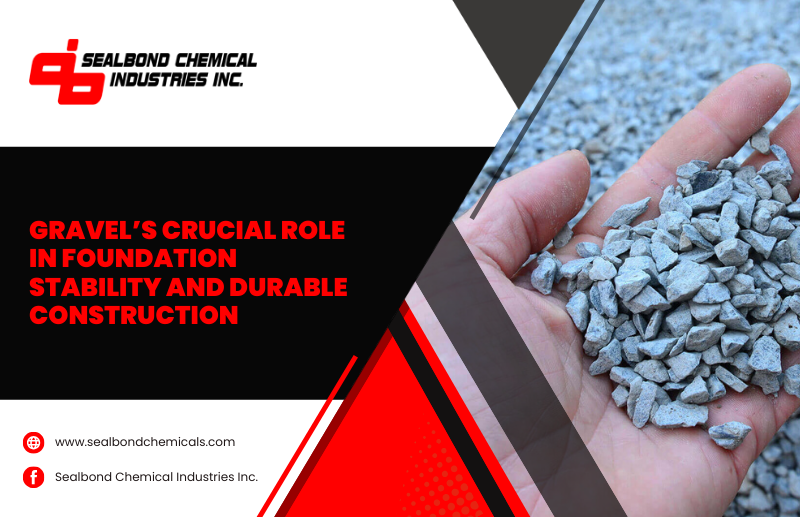
Gravel is one of the most dependable construction materials today. It’s not only used on walkways or for landscaping purposes; it’s a critical component in foundation stabilization, drainage, and concrete mixing. Because of its long lifespan, utility, and affordability, gravel continues to be one of the favorite building materials today.
Keep reading to learn the function and purpose of gravel in your residence.
Choosing the Right Gravel for Foundation Stability
In order to possess a stable and solid foundation, you must choose the right gravel:
- Use angular rock: They are suited to fit together better than rounded pebbles in the case of stability.
- Choose a graded mix: ¾-inch to 1½-inch sizes pack more tightly.
- Choose washed gravel: It helps prevent impurities from weakening your base.
Concrete binder products can also be included in gravel-based mixtures to provide bonding strength in structural layers.
Gravel’s Role in Efficient Drainage Systems
Gravel creates pathways for water flow, reduces pressure on structural walls, and prevents erosion. Together with waterproofing agents such as sealants or membranes, it can serve to extend the life of a building substantially.
Polyurethane waterproofing, specifically, is well-suited for sealing gravel-supported concrete surfaces for added protection.
Improving Concrete Mix Quality with Gravel
Gravel improves concrete in three important respects:
- Strengthens through enhanced aggregate interlock
- Lessens shrinkage by balancing cement paste volume
- Saves money by replacing some cement with aggregate
Giving Function and Beauty to Landscaping
Gravel can be used for:
- Paths in gardens
- Driveways
- Plant borders
Beneath these surfaces, bitumen waterproofing keeps water from permeating into buildings, keeping them looking fabulous and lasting longer.
Finding Gravel in a Sustainable Way
When buying gravel:
- Buy locally: Reduces transport costs and carbon footprint.
- Use recycled gravel: Saves the world and your money.
- Request certificates: Assure material quality.
Integral waterproofing systems can also be incorporated into concrete made with gravel for water resistance both inside and out.
Installation Best Practices by Experts
To install gravel properly:
- Compact in layers to provide strength.
- Place geotextile fabric between soil and gravel.
- Apply edge restraints to retain gravel.
In some applications, carbon fiber retrofitting stiffens structures supported by gravel for greater load-carrying capacity.
Getting the Best Value from Gravel
Gravel can reduce the load on full-depth concrete slabs, reduce aggregate costs, and speed installation. Industrial floor coatings give a high degree of durability to gravel-supported concrete floors, and structural epoxy for crack repair can restore damaged sections without total replacement.
FAQs
What gravel is most effective for drainage?
Clean, angular ¾-inch to 1½-inch gravel is optimal for providing room for water movement.
Can gravel actually strengthen concrete?
Yes. Gravel provides structural strength via aggregate interlock, minimizes shrinkage, and maintains cement demand balance.
Is recycled gravel safe and effective?
Yes. Properly processed and certified recycled gravel is equal in performance to new material and is more environmentally friendly.
Select Sealbond for Gravel You Can Rely On!
If you require quality gravel, delivered promptly, with material certification and technical assistance, Sealbond brings peace of mind. We have suitable products ideal for your construction needs. Contact us today and construct better with confidence.