
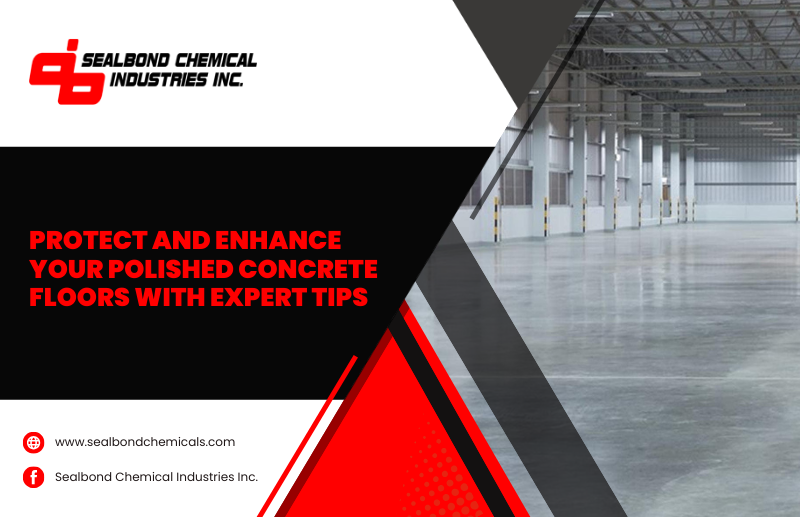
Polished concrete floors are gorgeous, durable, and remarkably affordable. Here, you get down-to-earth tips and methods. You’ll be confident in choosing, maintaining, and sealing polished concrete to provide your floors with a long-lasting shine.
Why Choose Polished Concrete Over Tile Flooring
Choosing polished concrete over tile flooring can help you:
- Pay less for maintenance, and there is no grout to clean.
- Enjoy enduring strength; polished concrete can handle heavy traffic.
- Add your home’s modern appearance with a flat, shiny, and streamlined style.
Where there is excessive moisture, adding waterproofing protection keeps your floor shining even in kitchens, bathrooms, or basements.
Easy Step-by-Step Polishing Process That You Can Adopt
To start polishing your concrete floors, follow these steps:
- Start with inspection: Check for cracks, stains, or old coats. Fix them first.
- Grind to remove surface layers: Use coarse grit to strip imperfections.
- Refine with higher grits: Move to medium, and then fine to achieve the desired level and shine.
- Harden using a densifier: A penetrating chemical that locks and tightens.
- Final polish and buff: Use diamond pads to uncover the glow.
If there is cracking, structural epoxy for crack repair allows for better polishing.
Choosing the Right Diamond Grit for a Smooth Finish
Here are the right diamond grits you can consider:
- 30–50 grit for aggressive removal.
- Then 100–200 grit for mild scratches.
- Polish using 400–800 grit for high gloss.
Your choice of grit will directly impact the smoothness and reflectivity of the floor.
What You Need to Know about Applying a Concrete Densifier
Before you apply a concrete densifier, you should know that:
- A densifier strengthens the surface by penetrating pores.
- Use it after grinding at mid-level.
- Wipe off excess, then wait to polish again.
Some densifiers complement integral waterproofing additives, giving your floor added moisture protection from the inside out.
Affordable Maintenance Tips for Polished Floors
The best way to maintain the beauty of your polished floors is to do the following:
- Daily dust mop to avoid scratches.
- Weekly damp mop with pH-neutral cleaner, no acid content.
- Mat placed at entranceways to keep grit from scratching your shine.
Incorporating industrial floor coatings with polished floors in high-use zones can offer extra protection against stains and wear.
How to increase durability with coatings and sealers?
Even if polished, a penetrating sealer can help to resist stains. Use breathable sealers that won’t trap water. Try a test patch first to ensure no haze. Some sealers are also waterproof materials, which will guard against spills and damage to the surface of your polished concrete.
FAQs
How long does polished concrete flooring last?
Polished concrete flooring lasts 20–30 years or more, given that regular maintenance through frequent cleaning and occasional resealing is performed.
Can I polish my own concrete floor, or do I need to hire a professional?
Yes, you can polish your concrete floor on your own if you are willing to wait and possess basic equipment (grinder, diamond pads, densifier). When large areas or speed are needed, pros conserve time, minimize mistakes, and supply experience.
Is polished concrete slippery when wet?
It is, and that is why many installers apply non-slip additives or seal with a matte polish in high-traffic or spill-prone areas, giving you safety without compromising shine.
Bring Out the Best Shine!
You’ve learned essential tips and clear steps to polish your floors. Now, let’s make that shine last longer and work harder. Sealbond products are designed to protect, beautify, and preserve your polished concrete. Contact us today to seal in brilliance and durability.