
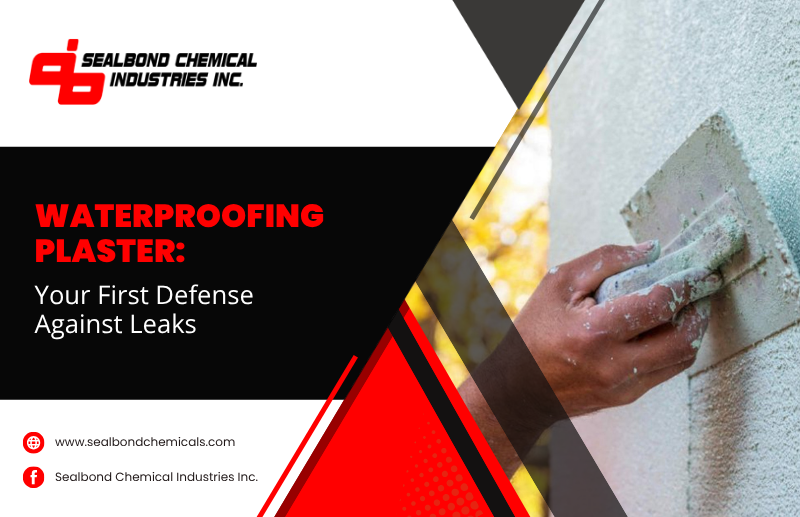
Waterproof plaster is a unique coating that blocks pores and cracks in ceilings or walls so water cannot seep through. Waterproof plaster forms a water-resistant layer against water damage, mold, and efflorescence.
This guide will educate you on the actual benefits, everyday use, and why it’s worth investing money in the right waterproof plaster for lasting results.
Significant Advantages of Waterproof Plaster
Advantages of waterproof plaster include:
Long-Term Water Protection
Waterproof plaster is a barrier coating that does not allow water to penetrate. It safeguards against damp stains, leakage, and surface deterioration.
Improved Structural Strength
Water corrosion weakens walls with time. Waterproof plaster provides strength in the form of a protective layer, minimizing repair expenses and improving the building’s lifespan.
Improved Aesthetic Value
Waterproof plaster smooths walls, sanitizes them, and makes them free from bubbly paint, mold, or salt crystals. It keeps your house interior fresh.
Cost-Effective Maintenance
Water damage prevention saves you money that could be spent on repeat repairs or repainting. It is a great investment for new as well as old buildings.
Various Types of Waterproofing for Plaster Walls
It has various waterproof materials employed based on the requirement of the work.
Polyurethane Waterproofing
It is a smooth, flexible membrane and may be applied to interior as well as exterior walls. Polyurethane waterproofing is normally used for balconies, bathrooms, and roofs due to its higher elasticity and strength.
Bitumen Waterproofing
Bitumen waterproofing is durable and cost-effective and is applied to basements, as well as on walls that are permanently damp. It is an ideal water-proofing barrier.
Integral Waterproofing
Intrinsic waterproofing is done through adding waterproofing materials to the cement or plaster mixture. This provides resistance to water internally from the building, and not just externally.
Uses of Waterproofing Plaster
Construction of dwelling walls and ceilings
It avoids paint loss and leakage, which gives a healthier and cleaner indoor environment.
Commercial complexes
Hospitals, schools, and offices benefit from long-term moisture control, which is time saved in maintenance.
Industrial facilities
In the warehouse or factory, waterproof plaster and industrial floor covering are all integrated to fully protect from water or chemical exposure. When walls crack or exhibit stress, structural epoxy for crack repair can be combined with waterproofing plaster as a dependable solution for repair.
Restoration and Repair
Waterproof plaster can be applied in conjunction with carbon fiber retrofitting for stable fixing and preventing moisture compounding deterioration of the building on aged building.
Concrete Wall Finishing
Concrete binder added to strengthen adhesion of the plaster provides high strength and smooth finish with watertight protection.
FAQs
How long waterproofing plaster typically lasts?
10–15 years depending on environment and material quality if applied correctly.
Can I waterproof plaster myself?
DIY is possible, but professionals offer correct mix ratios, uniform coverage, and durable results.
What is the best way to waterproof plaster walls?
The optimal method is determined by your location and the degree of exposure. For instance, polyurethane waterproofing would be best for bathrooms, whereas bitumen waterproofing would be best for basements and exterior walls.
Make Every Wall Stronger, Smarter, and Water-Resistant
Don’t let water destroy your work. Waterproof your walls with Sealbond’s high-quality waterproofing plaster and reliable products. From houses to industrial buildings, Sealbond provides tested solutions that supply strength, durability, and complete protection. Contact us today, we will be your ally in every solid and watertight structure!