
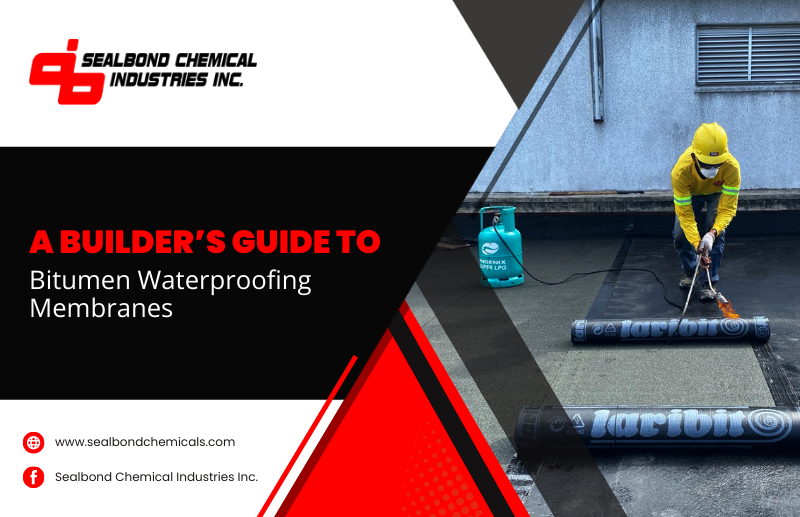
Bitumen waterproofing is a membrane that not only stops water from moving down into a system by making a watertight seal in case of roofs, walls, and foundations, but also is a protective device of the structure. The membrane is made from a combination of bitumen, a sticky, black, highly viscous form of petroleum, and other substances such as fiberglass or polyester.
The product is a flexible, weather-resistant one that can withstand temperature changes as well as a heavy downpour. Out of the different waterproofing materials, bitumen stands out for its longevity and low price.
By reading this article, you will know the definition of bitumen waterproofing, the working principle, and the reason why engineers, builders, and homeowners fly with it.
Why Bitumen Membranes Are Trusted in Construction?
Bitumen waterproofing is a very popular type, both in industrial and residential environments, as it guarantees:
- Very durable: If it is put in place properly, it can last for 20 years or more. It is mainly because of its tight binding with most of the construction surfaces.
- Flexibility: The material is capable of small structural movements without the appearance of cracks.
- UV and heat resistance: The material will not lose its properties even if the weather changes.
Any previously used methods will be combined with bitumen membranes, e.g., polyurethane, to give the exposed areas further hardness.
Best Applications of Bitumen Waterproofing
The bitumen membrane is a versatile material that you can employ in various places of your building:
- Roof decks and terraces are kept water-free from both the effects of accumulation and leakage.
- Basements and retaining walls: to guard the below-ground parts of the building against moisture.
- Water tanks and tunnels: devices that block water from entering keep these structures secure.
- Bridges and parking decks – for long-lasting, heavy-duty protection that is very reliable.
By using it with integral waterproofing systems in some projects, the safety of the structure is increased.
Common Bitumen Installation Mistakes to Avoid
To really take full advantage of bitumen waterproofing, you should stay away from these typical mistakes:
- Not preparing the surface: Cleaning and drying the surface are musts.
- Incorrect overlaps: Seams should be properly overlapped to prevent leakages.
- Not applying primer, be sure to use a suitable concrete binder before you lay the membrane.
- Bad heat application leads to poor binding of the membranes, especially in torch-on.
Moreover, professional installers typically also use structural epoxy for crack repair to mend the damage of the existing concrete before the waterproofing process.
FAQs
How long is a bitumen waterproofing membrane able to serve?
A bituminous waterproofing membrane done properly can be functional for a period of 20–25 years at most, with good maintenance and under normal exposure conditions.
Is it possible to use bitumen membranes on aged roofs?
Yes, they can be laid over existing roofs, providing the surface is properly cleaned and prepared prior to installation.
What is the difference between bitumen and polyurethane waterproofing?
Bitumen membranes are basically thick, sheet-like barriers, while polyurethanes are liquid-applied, and afterward, they form a seamless layer. Both methods are very efficient, but the right choice depends on the surface condition.
Sealbond Is the Perfect Partner for Building Protection
Make the right choice and go for professional and long-lasting waterproofing by partnering with Sealbond, which can offer you not only bitumen waterproofing solutions but also other advanced construction systems of professional-grade. Keep your building strong, dry, and protected. Contact us today to get expert waterproofing support.