Your home is your biggest investment. Think of an umbrella giving you the right protection from rain and moisture. That’s exactly where waterproofing solutions come in. Simply put, waterproofing is a technique in construction to make a structure resistant to water intrusion. It’s not just about stopping a flood; it’s about preventing the slow, steady damage that water causes to homes or their foundations over time.
Think of it as creating a durable, invisible barrier around the parts of your home. Those that are constantly exposed to moisture, especially the roof and wet rooms like bathrooms. Without effective waterproofing right from the start, water can seep into your home’s structure, causing big problems like mold and mildew, which is bad for your health. Not to mention the structural damage that can lead to costly repairs down the road.
So the goal? Simple: Keep your home dry, healthy, and structurally sound for years with waterproofing solutions. This handbook will walk you through everything you need to know to achieve lasting and effective protection.
Why Waterproofing is Non-Negotiable
Many people mistake waterproofing as a luxury when it’s actually a critical investment in the health and longevity of your entire home. Skipping this step can lead to costly repairs over time.
Structural Integrity and Foundation Health
The most important reason to waterproof is to protect the very backbone of your home—the foundation. Over time, water saturates the soil around the foundation, making this constant moisture damaging. It can cause concrete to crack and crumble (a process called spalling). As for homes with steel bars inside the concrete, water can allow these bars to rust quickly. This results in the rust expanding, pushing the concrete outwards and causing major cracks in the structure, typically known as concrete cancer.
Plus, when heavy rain soaks the ground, water tends to build up and create pressure against your walls and slab. This is called hydrostatic pressure, pushing water even through the smallest crack, seam or pinhole, allowing the base of your home to start leaking after a heavy downpour.
Health and Indoor Air Quality
Water intrusion and moisture create the perfect environment for mold and mildew to grow, especially in dark areas. These fungi release tiny spores into the air you breathe, harming your indoor air quality. Plus, it triggers severe symptoms for people with allergies, asthma, and other respiratory issues, making your home an unhealthy place to live in.
Financial Costs: Prevention vs. Repair
When you look at the price tag, waterproofing upfront is a simple economic decision. The cost of installing a good waterproofing system during construction or early in your home’s life is relatively low as compared to remediation or fixing the damage after the water seeps in. Down the line, it’s going to cost you double for drywall replacements, drying out a flooded home, and professionally treating serious mold infestation. So prevention is really dramatically cheaper than cure.
A Deep Dive into Types of Waterproofing Systems and Materials
Waterproofing is surely not a one-size-fits-all job. Different parts of your home require different materials and application methods. Understanding these can help you make informed decisions about the right protection to use.
Liquid-Applied Membranes
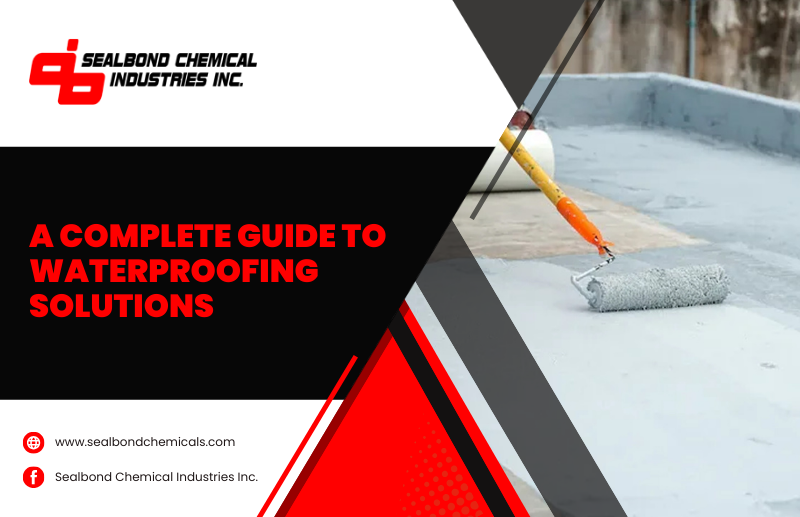
These are some of the most popular and versatile waterproofing systems. Applied as liquid, much like thick paint, these materials cure to form a seamless, rubbery, waterproof layer. And because they are seamless, they are excellent at sealing complex shapes and covering corners without weak points.
- Polyurethane Membranes: These are highly durable and offer fantastic elasticity so they can stretch and contract easily as your house settles or as temperatures change. Polyurethane materials make the ideal waterproofing solution for exposed areas like roofs, decks, and balconies where there is constant exposure to movement and UV rays.
- Acrylic Membranes: These are water-based and generally simpler to apply. They’re the more common and cost-effective choice for roofs and vertical [outside] walls because they’re very easy to work with and clean up.
Sheet Membranes
Sheet membranes are pre-formed, factory-made layers of materials that are rolled out and attached to surfaces. They offer standard thickness and proven durability.
- Bituminous/Asphaltic Membranes: This is a traditional and highly reliable type of sheet membrane, typically used on flat roofs and below-ground structures. They come in two main types: torch-applied and self-adhesive. Torch-applied are rolls heated with a flame torch to melt the bitumen backing, fusing the sheet directly onto the surface. This method is extremely strong but requires professional installation. On the other hand, self-adhesive sheets have a sticky back that allows them to be applied without heat. This makes installation a lot safer and more convenient for residential and DIY projects.
- PVC, EPDM, and TPO Sheets: These are a lot modern as they come in synthetic rubber or plastic sheets. They are extremely popular in commercial construction because of their light weight and long lifespan. These materials are highly resistant to weathering, ozone, and UV rays, making them suitable for residential flat roofs too!
Cementitious Waterproofing
And finally, cementitious waterproofing is, based on the name itself, cement-based and is generally used for structures that hold water (like water tanks) or are underground (like basements). They’re typically easier to mix and can be applied with a brush or trowel, and they bond very well to concrete.
- Crystalline Additives: This is an innovative solution where special chemicals are added to the cement mix or brushed onto existing concrete. When they meet with water, they react with the concrete to form millions of tiny, non-soluble crystals. These crystals grow inside the concrete, blocking the tiny pores and micro-cracks from within, ultimately stopping water movement internally.
- Polymer-Modified Slurries: Meanwhile, these are powdered mixes that, when combined with water, create a thick paint-like liquid (a slurry). This material is brushed onto areas like basement walls, retaining walls, or bathroom floor before tiling. They are flexible to the structure, helping the cement withstand minor movements without cracking.
Critical Areas Requiring Waterproofing in Your Home
Knowing exactly where to waterproof is key to protecting your home. Take note of the most critical spots that need solid waterproofing:
The Foundation
The base of your home is constantly in contact with damp soil and rainwater, so exterior waterproofing is the best defense. Apply membranes to the outer concrete walls before you backfill the soil. Even more important is drainage: installing drains that lead rainwater away from the base of your home into a proper flood or water control system is crucial. Remember: waterproofing materials work best when they’re not constantly submerged in water.
Roofing and Terraces
The roof and any flat terraces or decks face the worst exposure to the sun and heavy rains. Sloped roofs rely on overlapping materials (like tiles or corrugated metal) and sealants at edges. Meanwhile, flat roofs or terraces are at higher risk because water can collect there (ponding). Flat roof materials must be highly resistant to UV rays and capable of handling standing water without breaking down easily. Normally, a seamless liquid-applied membrane is the ideal choice here.
Bathrooms and Wet Areas
Bathrooms, kitchens, and laundry rooms are popular trouble spots because plumbing is everywhere. To protect these wet rooms, apply a waterproof layer to the entire floor and continue it up for at least 30 centimeters. The most common areas for leaks are around the floor drains and where pipes go through the concrete or walls. Proper sealing of these penetrations is vital to prevent water from reaching the ceiling below.
Balconies and Patios
Outdoor living spaces, like balconies, are constantly exposed to harsh environmental elements and often have tiles over concrete. To protect them, they’ll need flexible membranes underneath the tiles so they can better handle slight movements caused by heat and rain. This prevents the tiles and grout from easily cracking and letting water pass through.
A Guide to Successful Application, Maintenance, and Longevity
Surface Prep is Key
Successful waterproofing starts with a clean surface. You cannot expect waterproofing materials to stick and last for years if your concrete is full of dust, oil, and other loose debris. Plus, any large cracks or holes must be filled and repaired prior to waterproofing. A properly prepared, smooth surface ensures that the membrane sticks well and cures into an unbroken barrier, maximizing its lifespan.
Follow Application Instructions Carefully
Always read the manufacturer’s instructions for mixing and application rates. Applying too thinly or too thickly is a common mistake that leads to early failure, and the redo can be very costly. Use the recommended number of coats to allow enough time for each layer to fully cure. When applying waterproofing solutions, patience ensures that the product reaches its intended strength.
Focus on Details and Penetrations
Water will always find a way in. So, use special reinforcing mesh or extra sealants around these penetration points. These areas require careful attention and often a thicker application of material (called detailing). Protecting these weak spots is vital for the system’s long-term success.
Simple and Regular Maintenance
Waterproofing solutions require simple, regular check-ups. Keep the areas around your foundation and drains clear of debris and inspect surfaces every few months for small cracks or blisters. Catching and repairing minor issues early prevents them from becoming major repairs.
FAQs About Waterproofing Solutions
Which is the best waterproofing method?
The “best” method depends entirely on where you plan to apply it. Waterproofing solutions vary; for a flat roof, a flexible liquid-applied polyurethane membrane might be best. For a concrete foundation, a cementitious crystalline system is the most recommended. Better to research first about the best waterproofing solution for each part of your home.
How long does waterproofing last?
High-quality, professional waterproofing systems like thick sheet membranes or polyurethane liquid systems typically last anywhere from 15 to 50 years. For cheaper or poorly applied solutions, they may only last a few years.
Can I DIY my home’s waterproofing?
Simple tasks can be DIY-ed, like sealing small cracks with a sealant or applying a brush-on slurry in a small bathroom. However, complex systems like torch-applied sheets or specialized liquid membranes should be done by professionals to ensure the warranty is valid and the application is seamless, lasting for years.
Future-Proof Your Structure with Sealbond’s Waterproofing Solutions
Don’t risk costly repairs from leaks and mold. Invest in guaranteed, long-term protection and ensure your home stays dry and safe from damage. Contact Sealbond today and inquire about our vast range of waterproofing solutions for every structure!