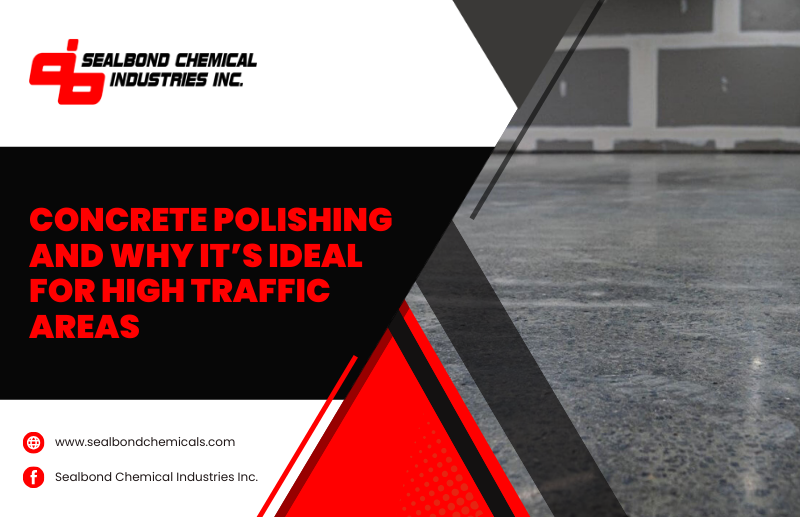
Concrete polishing is a mechanical process that refines a concrete surface using concrete grinding and polishing machines. It is a process that turns regular concrete into a smooth, long-lasting, and attractive floor that can last for generations.
In this article, you will learn about concrete polishing, the process involved, and why it is an excellent investment for your space.
Major Advantages of Polished Concrete Flooring
The advantages of polished concrete flooring are:
Durability and Strength
Polished concrete flooring is resistant to heavy foot traffic, equipment, and usage. As a result of densification, the flooring becomes stronger and less porous with time. This is perfect for use in warehouses, showrooms, schools, and contemporary homes.
Low Maintenance and Easy Cleaning
You won’t need any chemicals or repairs. Sweeping and occasional damp mopping will be sufficient. Polished concrete flooring will save you time and money compared to tile or wood flooring.
Modern Appearance and Light Reflection
Polished concrete flooring provides a clean and modern appearance that suits both minimalist and industrial settings. The reflective surface of polished concrete flooring enhances indoor lighting, reducing energy consumption.
Moisture and Surface Protection
When combined with appropriate treatments, polished concrete can be used in conjunction with waterproofing materials to reduce moisture and surface damage. This is particularly effective in basements, parking, and ground-level floors.
Concrete Polishing Step-by-Step Process
Follow these processes for concrete polishing:
Assessment and Preparation of the Concrete Surface
The first step involves assessing the concrete surface to determine if there are any cracks, irregularities, or dirt on the surface.
The damaged areas are repaired, and this is done using structural epoxy for crack repair before the polishing process begins.
Grinding the Concrete Surface
Industrial grinders with diamond abrasives are used to grind the concrete surface to remove any imperfections. This step helps to open up the concrete pores to prepare the surface for strengthening.
Applying the Densifier
A chemical hardener is applied to react with the concrete to make it denser. The densification process takes advantage of the concrete’s natural composition, which is enhanced by a concrete binder that is already present in the concrete mix.
Progressive Polishing
Successive stages of finer diamond pads are used to achieve the desired level of polish, from satin to high gloss. Each step enhances the surface’s smoothness, clarity, and hardness.
Final Sealing and Protection
A penetrating sealer is applied to provide improved stain resistance and durability.
In high-traffic areas, polished floors are sometimes matched with industrial floor coatings in adjacent areas to provide comprehensive floor system performance.
FAQs
Is concrete polishing superior to coatings?
Yes. Polishing is incorporated into the concrete itself, whereas coatings are applied on top and can peel or wear away with time.
How long does polished concrete last?
With proper installation and minimal maintenance, polished concrete can last for 20 years or longer.
Can old concrete be polished?
Yes. Provided the concrete is sound, existing concrete can be repaired and polished successfully.
Select a Smarter Concrete Polishing Solution
Concrete polishing provides durability, beauty, and economy in one comprehensive flooring solution. It’s a smart choice if you desire a long-lasting solution that doesn’t require a lot of maintenance. For expert advice, proven products, and effective concrete protection solutions, choose Sealbond. Contact us today and transform your concrete floors into strong, polished assets that will last for years to come.