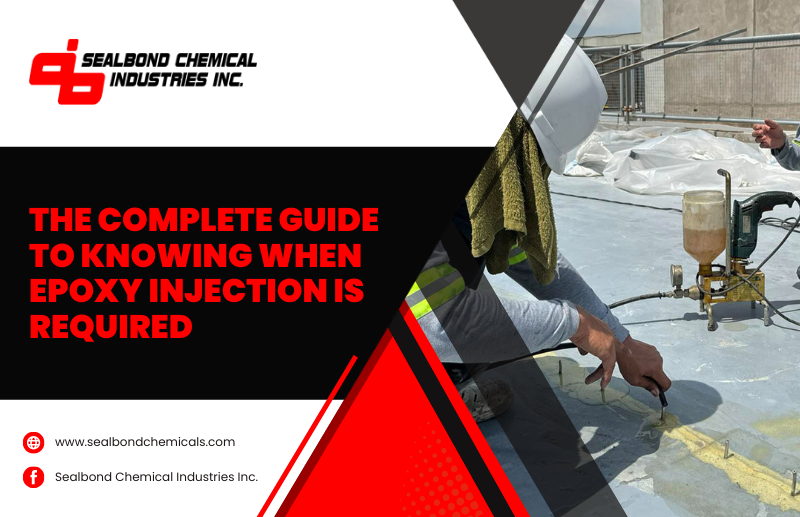
Cracks in concrete may seem like a simple issue at first; however, if left unaddressed, they can quickly lead to major structural problems. Epoxy injection is a technique that engineers and construction professionals rely on for repairs. If you understand this method, you will be able to make better maintenance decisions.
This article will answer your questions about epoxy injection, including what it is, how the procedure is performed, its advantages, and when it should be applied.
What Is Epoxy Injection and Why Does It Matter?
Epoxy injection is a repair method in which cracks in concrete are filled with a high-strength adhesive resin. After the material has set, it bonds to the concrete. This method is widely used in foundations, bridges, and industrial facilities because it prevents moisture and prevents the spread of cracks. Even minor strains can damage a building’s stability if left untreated.
Key Benefits of Epoxy Injection for Concrete Repair
1. Restores Structural Strength
The solidified epoxy forms a very strong bond, restoring the concrete as a single solid piece.
2. Prevents Water Damage
By sealing the cracks, you block water, chemicals, and dirt from getting inside, reducing the likelihood of corrosion and internal damage.
3. Cost-Effective Solution
Fixing cracks at an early stage is significantly cheaper than making the whole concrete section.
4. Extends Surface Lifespan
Surface finishes, such as resin flooring, will benefit greatly if the underlying concrete is properly fixed and strengthened.
5. Minimal Disruption
Most of the time, epoxy injection is completed quickly, and the business and facility can continue operating with minimal downtime.
When Should You Use Epoxy Injection?
Generally, most cracks do not need to be a cause for concern right away. However, there are a few circumstances where you should consider this treatment.
Decide on the use of epoxy injection if:
- Cracks are deeper and affect the structure’s strength.
- You notice water leakage through cracks
- The floor has visibly stressed areas in addition to the cracks.
- The cracks keep on growing
- Heavy equipment or traffic loads are present
Structural stability is a major concern for facilities using commercial epoxy flooring, as they must withstand constant pressure from heavy traffic and machinery on the underlying concrete.
Step-by-Step Epoxy Injection Process
Knowing what happens during the repair can make you more confident in the process.
1. Inspection and Crack Assessment
First steps: evaluate the crack to identify its cause and depth. They do not consider all cracks to be structural, so an accurate diagnosis is really the key.
2. Surface Preparation
After the crack has been cleaned of dust, oils, and loose debris. Injection ports are then installed along the fracture line.
3. Sealing the Surface
A temporary seal is placed over the crack to prevent epoxy from leaking during injection.
4. Controlled Resin Injection
The epoxy is applied under pressure slowly to ensure complete filling of the void.
5. Curing and Final Check
Once cured, the ports are taken off, and the surface is leveled.
This step is crucial, especially if you are installing an epoxy resin floor, as a perfect substrate will help you avoid surface failures in the future.
FAQs
Is epoxy injection a permanent repair?
Epoxy injection, if done right, can give the structure strong, lasting reinforcement. It is so durable that its life is often equal to that of the surrounding concrete.
How do I know if a crack is structural?
Cracks in the structure are often wider and can be very deep; at times, they let water in. It is best to have a professional inspection to be sure.
Can epoxy injection be used in commercial buildings?
Of course. Besides warehouses, this technique is also used in offices and industrial facilities, as it helps restore the building’s strength without greatly disrupting daily operations.
Build Stronger Structures with Sealbond
Cracks are a serious matter and should not be disregarded. Implementing an epoxy injection process is one of the most efficient ways to protect your property, enhance safety, and avoid future repair costs. If you are looking for reliable service, give Sealbond a try; they will provide the most efficient concrete repair.