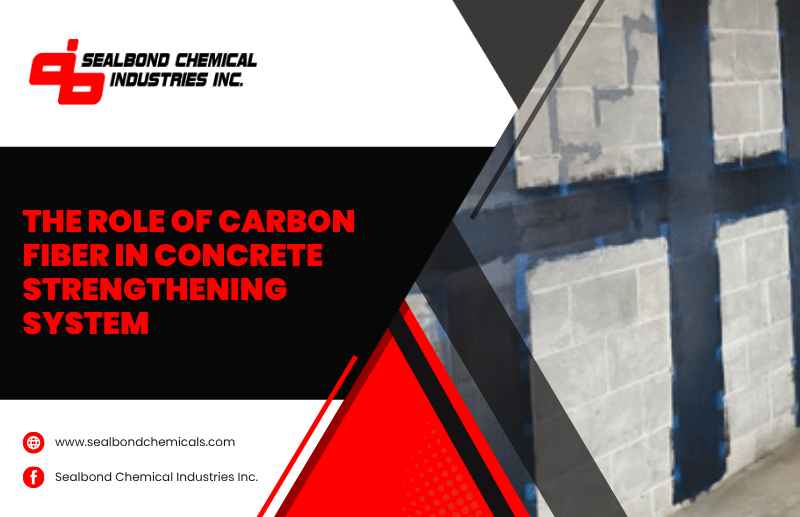
Improving the structural integrity of buildings and infrastructure is essential to ensure safety, durability, and long-term performance. One of the most effective modern solutions today is advanced carbon fiber-reinforced strengthening systems. These materials help reinforce critical structural elements without adding excessive weight to the existing framework. As a result, they provide a reliable way to extend the lifespan of concrete structures.
In this article, you will learn how these reinforcement systems work, why they are widely used in structural rehabilitation, and how they support long-lasting repair solutions.
Why Fiber-Based Strengthening Is Essential?
Fiber-reinforced systems are widely used in structural strengthening because they provide high tensile strength without significantly increasing the structure’s weight. These materials are commonly applied to beams, columns, slabs, and walls to restore or increase load-bearing capacity.
Engineers often combine these systems with concrete protection strategies to prevent future deterioration and reduce maintenance costs. Unlike traditional methods, these reinforcement systems are faster to install and less invasive, making them ideal for repair projects.
How Carbon Fiber Reinforcement Strengthens Concrete Structures
Fiber reinforcement works by wrapping or bonding composite materials onto concrete surfaces. Once installed, it acts as external reinforcement, helping distribute loads and reduce stress concentrations.
Key benefits include:
- Increased tensile and flexural strength.
- Improved seismic resistance.
- Lightweight reinforcement without structural overload.
- Faster installation compared to traditional steel reinforcement.
Damaged areas often require crack repair for concrete to restore surface continuity and ensure proper bonding. This step helps prevent further expansion of existing damage.
Factors That Affect the Effectiveness of Carbon Fiber Reinforcement
The performance of fiber reinforcement depends on several critical factors. Proper surface preparation is essential, as any dust, oil, or loose concrete can weaken bonding and reduce effectiveness. The quality of adhesives or epoxy resins also plays a major role in ensuring strong adhesion between the reinforcement system and the concrete substrate.
Structural assessment before application is equally important to identify the correct load requirements and reinforcement design. Poor installation practices or incorrect material selection may significantly reduce the system’s long-term performance.
Supporting Materials That Enhance Structural Durability
While fiber reinforcement systems provide strengthening, additional protective systems are essential for long-term performance and durability. In many construction and repair projects, polyurethane coating is applied as a protective layer to shield surfaces from moisture, chemicals, and abrasion. This coating enhances resistance and helps maintain structural integrity over time.
FAQs
What makes fiber reinforcement better than traditional steel reinforcement?
Fiber reinforcement is lighter, stronger in tension, and resistant to corrosion. It provides efficient strengthening without adding extra structural weight.
Can fiber reinforcement be used for cracked concrete structures?
Yes, but proper crack repair must be completed first to ensure proper bonding and performance of the reinforcement system.
Why are coatings and waterproofing important in structural repair?
They protect concrete from moisture, chemicals, and environmental damage, extending the lifespan of repairs.
Stronger Structures Start with Smart Protection
Choosing the right reinforcement system is only the beginning. For lasting structural performance, you need a complete solution like the ones discussed above. Sealbond provides reliable solutions designed for modern structural challenges. Strengthen your structures today with Sealbond and build with confidence for the future.