
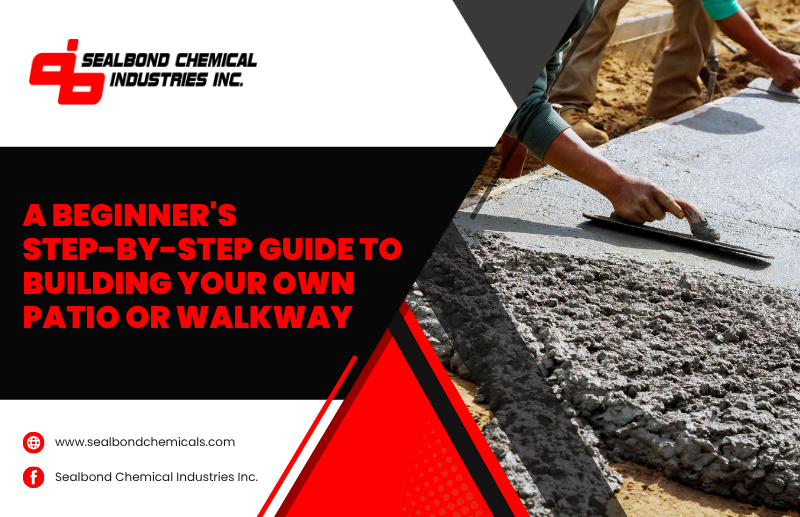
The Importance of Proper Concrete Pouring
Building a beautiful backyard patio or garden pathway is one of the most rewarding upgrades you can make for your home. However, everything depends entirely on how well you handle the initial groundwork. Learning the right way to manage your setup ensures your new outdoor space stays smooth, level, and free of ugly cracks for many years.
Concrete pouring is the absolute foundation of this entire project, requiring the right technique to get lasting results. If you rush through this critical step, your hard work could quickly crumble, chip, or sink into the soil. Fortunately, learning how to handle this process by yourself is completely doable when you follow a clear, simple plan and use high-quality materials.
Step-by-Step Guide to Building Your Own Patio or Walkway
Step 1: Prepare the Ground
First things first: map out your patio or walkway using stakes and string. Dig the area down to a depth of about 4 to 6 inches, removing all grass, roots, and loose soil. After digging, compact the dirt firmly to create a solid, level base for your project.
Step 2: Set Up the Framework
Next, build a sturdy wooden frame using thick boards along the edges of your dug-out space. This wooden form acts like a mold that holds your wet mixture in place. Then, secure the wood tightly with wooden stakes driven into the ground so nothing shifts later.
Step 3: Pour the Concrete Slab
Now, mix your cement according to the package directions. Pour the wet mixture smoothly into your wooden frame until it reaches the top edge. Make sure to use a straight wooden board to scrape across the surface to level the concrete slab perfectly.
Step 4: Apply the Finishing Touches
Let the surface sit until the watery sheen disappears completely, then smooth it out with a hand trowel. Once the surface dries and cures for a few days, you can carefully remove the wooden boards. If you plan to add decorative tiles or stone borders later, using a strong cement adhesive will keep them securely locked in place.
Step 5: Seal for Long-Lasting Protection
Finally, protect your hard work from heavy rains and everyday stains by applying a high-quality protective sealer or epoxy coating. This forms a durable barrier over your new walkway; a simple final step that keeps the surface looking brand new and prevents water from seeping inside.
FAQs
What are the 6 types of concrete finish?
The six most common finishes are troweled (smooth), broom (textured and slip-resistant), stamped (patterned to look like stone or brick), salt (pitted texture), exposed aggregate (pebbles showing), and polished (shiny and smooth). Each type serves a different visual and practical purpose for your home.
What are common concrete pouring mistakes?
The most frequent blunders include adding too much water to the mix, forgetting to compact the soil base, and pouring on a really hot or rainy day. Skipping the curing process or forgetting a protective sealer will also cause the surface to crack and crumble early.
Is pouring concrete DIY?
Yes, small projects like garden walkways, small patios, and equipment pads are excellent weekend DIY tasks. However, more complex projects like full driveways or house foundations require a professional team because the heavy material dries too quickly for one person to handle.
Start Your Next DIY Project Right with Sealbond
Don’t let your hard work go to waste. For a flawless, crack-free finish for your new patio or walkway, choose professional-grade sealers, epoxies, and adhesives from Sealbond today. Browse our catalog for more home DIY project needs!