Road Marking Explained
The use of road markings allows drivers to identify lanes and follow traffic regulations. Choosing the right materials improves visibility and extends the life of road markings, so it is important to understand the materials used in road marking.
Continue reading to learn more about road marking materials, the factors that affect their longevity, and why surface preparation is essential for everyone’s safety.
Road Marking Material Types & Applications
Several types of road marking materials are designed for specific surfaces, traffic volumes, and other project requirements. Common street marking materials include traffic paint and thermoplastic materials.
- Traffic paint: This material is often used to mark lane lines, parking slots, and similar road markings. The effectiveness of such a marking depends on several factors like quality of the material itself, traffic volume, proper application, etc.
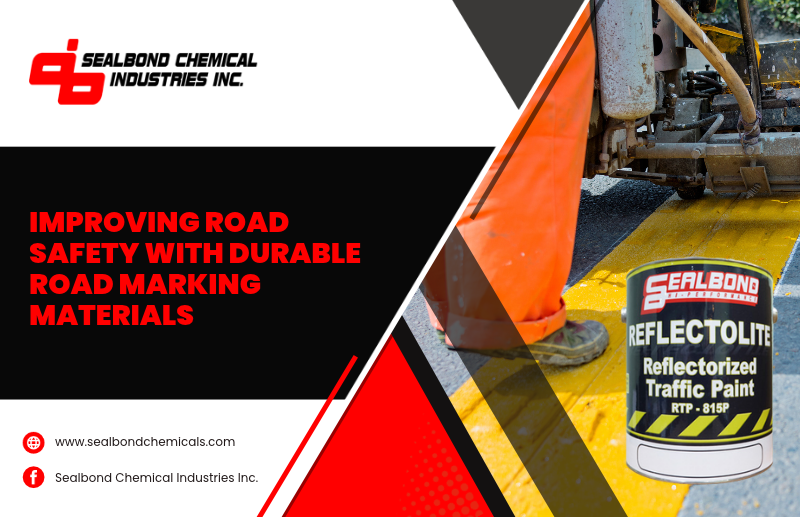
- Reflectorized traffic paint: It can be used to enhance nighttime visibility if it is made using special reflective beads/materials.
- Thermoplastic materials: Road markings made of thermoplastic materials create a thick layer of marking. They are often used on busy roads.
Selection of appropriate road paint begins with the evaluation of pavement, expected traffic, weather conditions, etc.
Road Line Marking Enhances Safety
Proper road line marking assists road users in knowing about lane markings, stopping zones, pedestrian crossings, and parking places. Effective road markings also enhance traffic flow comprehension, particularly in areas where traffic is congested or in intersections. Road markings and road signs complement each other in assisting road users. Road signs convey information and warnings, and road markings provide direct visual aids on the road.
Extend the Durability of Road Marking Materials
Even quality road marking materials will not last long if applied on an inappropriate or unprepared surface. Cleanliness, dryness (when instructed by the material’s instructions), and the absence of dust, oil, and dirt are necessary before applying the markings.
In case of new roads, consult with a ready mix concrete supplier to be assured that the concrete mix specification fits your project needs. Let concrete rest until it cures properly as per the instructions of the paint manufacturer. Inspection can also help you spot signs of wear before they become safety problems.
FAQs
What is the best paint for road marking?
The best paint depends on the surface, traffic, weather conditions, and required visibility. Traffic paints and thermoplastics are commonly used for road marking purposes.
What is the lifespan of road markings?
It depends on the material used, traffic conditions, pavement condition, and application quality. Inspections and proper maintenance should be performed to extend their life.
What is the importance of surface preparation before road marking?
It is crucial because properly preparing the surface helps the marking material adhere better.
Road Safety by Using Suitable Materials
Quality road markings require appropriate materials, proper application, and ongoing maintenance. For future construction or maintenance needs, consider Sealbond Chemicals and learn more about their range of construction products. Selecting materials should be based on the conditions of the surface where the work will be done.