
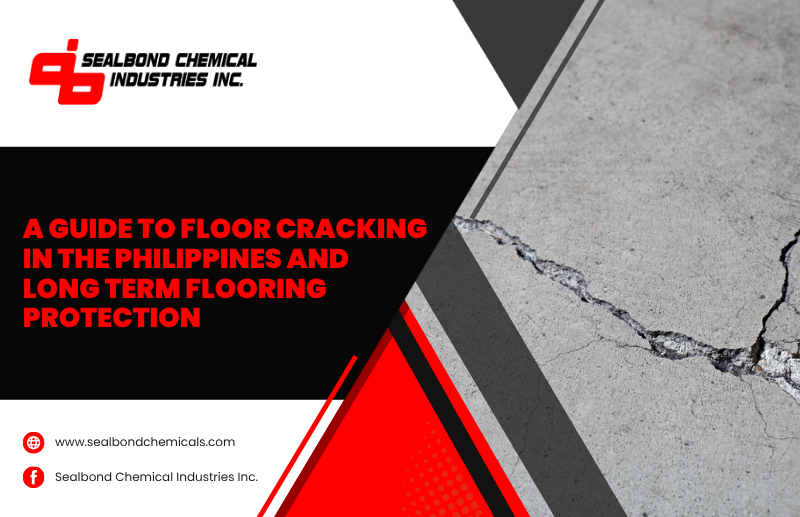
Floor cracking in the Philippines is more than just a visual flaw; it can be a sign that the structure is compromised. Climate-wise, the Philippines is a very hot and humid country with frequent typhoons. These elements directly impact the behavior of concrete.
The back-and-forth changes in the size and shape of the concrete cause the slab to be internally stressed, and after some time, very small cracks occur.
In this article, you will understand the role the environment plays in the whole process, and at the end, you will learn what you can do in your own house.
Soil Movement and Settlement Issues in Philippine Homes
There are large areas in the country with clay, heavy, or loose soil. The nature of clay soil is that it expands when wet and shrinks when dry. This continuous movement results in slab settlement.
If the soil underneath is not properly prepared, the floor may move in different directions. Moreover, in coastal and reclaimed zones, unstable soil conditions amplify the risk.
Construction Mistakes that Lead to Floor Cracking
Good soil and climate considerations will not make up for bad construction methods. Mistakes in construction can directly cause cracking. Some typical errors are:
- Utilizing incorrect concrete binder proportions
- Granting less than sufficient time for curing
- Incorrect positioning of reinforcement
- Avoiding the use of expansion joints
For high-stress environments, contractors might suggest integral waterproofing, which is a mix directly in the concrete, making it resistant to water and moisture infiltration.
Preventive Solutions for Long-term Flooring Durability
Preventing floor cracks is cheaper in the long run than repairing them. So, here’s what you can do:
Early Application of Surface Protection
Polyurethane waterproofing forms a flexible membrane that adjusts to minor structural movements. On the other hand, bitumen waterproofing offers excellent moisture resistance, especially in areas with standing water. Both choices help in reducing moisture penetration, which is one of the main factors of concrete degradation.
Reinforce Vulnerable Spots
Structural epoxy used to repair cracks can restore bond strength between slab sections and halt crack propagation. When things get really bad, carbon fiber retrofitting is the way to go, since it increases the structure’s strength without completely tearing it down.
Invest In The Right Floor Finishing Systems
Durable industrial floor coatings of good quality work as a barrier to abrasion, impact of chemicals, and heavy machinery. It is a must for warehouses, factories, and commercial buildings in humid environments.
FAQs
Why do concrete floors crack easily in the Philippines?
Concrete floors crack mainly due to extreme temperature variations, high humidity, heavy rain, and poor soil conditions. Besides these, poor curing and no protective covering for moisture are other main reasons.
Can waterproofing stop floor cracking?
A waterproof system can minimize water-related damage, which is a primary cause of cracking. Although it does not prevent structural movements, it plays a major role in enhancing a structure’s durability and longevity.
What is the best repair method for floor cracks?
Hairline cracks should be sealed. However, structural cracks must be repaired using structural epoxy. Areas with major damage may need strengthening interventions, including carbon fiber retrofitting.
Protect Against Floor Cracking with Sealbond’s Quality Products
Floor cracking can be prevented if you are aware of the local climate, soil behavior, and appropriate construction methods. The main thing is to use the right materials and install them correctly from the start. If you desire durable, long-lasting floors perfectly suited to the Philippine environment, then select professional-grade products from Sealbond. Make a smart decision by purchasing quality systems and products now and save your property from expensive repairs in the future.