
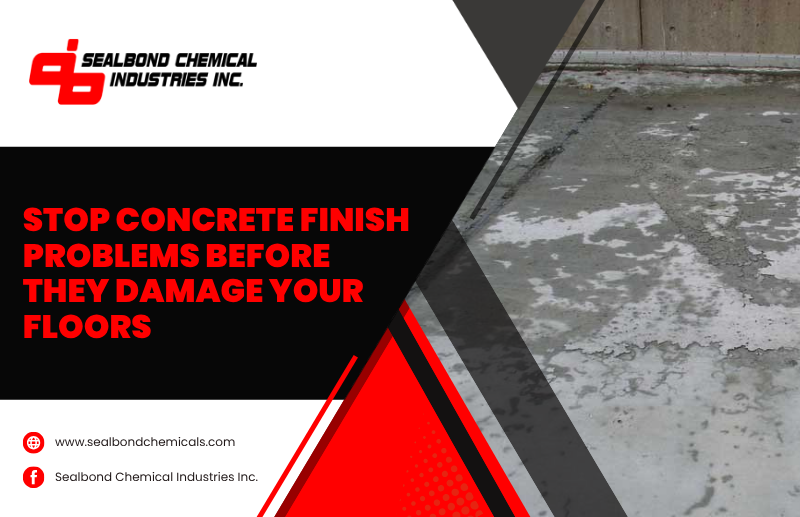
Concrete finish problems might destroy the appearance, durability, and longevity of your floors and other concrete structures. A poorly finished concrete floor in a house, warehouse, or commercial space can lead to hairline cracks, staining, dusting, and rapid deterioration.
This article explores the typical concrete finish problems, their causes, and the ways to avoid them.
Concrete Defects
Despite their robust appearance, concrete can be susceptible to serious problems if not properly handled during pouring and after.
-
Surface Cracking
Cracking is the number one concrete problem in most cases. Drawing from the usual causes, surface cracks predominantly result from concrete drying fast, improper curing, and weak mix design. Besides, temperature fluctuations and soil movements may affect the formation of cracks.
-
Scaling and Flaking
Scaling occurs when the surface layer of concrete, almost literally, peels or flakes off. This is most often the result of freeze-thaw cycles, poor finishing, or very weak surface strength. Using good waterproofing not only prevents water from getting in, which can weaken the surface, but also, for exposed surfaces, the choice of waterproofing material matters a lot for long-term durability.
-
Dusting and Weak Surface Finish
The concrete surface producing powdery dust indicates that the top layer is weak. When too much water is added at mixing or finishing, this is how it can happen.
To prevent dusting:
- Dont water it too much.
- Finish drying before you go.
- Add sealants or floor coatings in high-traffic areas.
Industrial floor coatings help toughen the floor and fight scratches and spills.
-
Poor Adhesion of Concrete Finishes
At times, tile coatings or overlays may come off because of inadequate adhesion. This is most often the result of:
- Always clean the surface first.
- Scuff it up with sand or grit.
A good concrete binder helps old and new layers stick better.
Best Practices to Achieve Durable Concrete Finish
Getting a strong, lasting concrete finish starts with smart choices. Practice the following:
- Pick good materials and tested mixes.
- Dont pour too much water on the site.
- Keep it wet for 7 to 14 days.
- Use sealants where water gets in.
- Coat floors when needed.
Smart planning and right picks really help determine how long it lasts.
FAQs
What causes cracks in newly finished concrete?
Concrete cracks can result from very fast drying, insufficient curing, too much water in the mix, or the lack of installation of control joints.
How do you prevent concrete surface dusting?
To stop dusting, you should keep the water-cement ratio right, refrain from over-finish, and use protective measures such as densifiers or floor coatings on the concrete surface.
Is waterproofing necessary for concrete floors?
Yes, waterproofing is an essential protective layer that can help concrete floors resist moisture-related damage. It will also help prevent efflorescence and, in general, make the structure last longer, especially in humid or flood-prone areas.
Build Stronger, Longer, Lasting Concrete Finish with Sealbond
Concrete finishing issues can be avoided by using proper methods and materials. Every step, from moisture control to structural repair, is important. If you desire tough surfaces resistant to cracking, scaling, and water damage, go for Sealbond. Their up-to-date products safeguard, reinforce, and extend the lifespan of your concrete works. Contact us today and have peace of mind while building.