by F. S. (Sealbond Material Specifier) | Jan 2, 2026 | Event
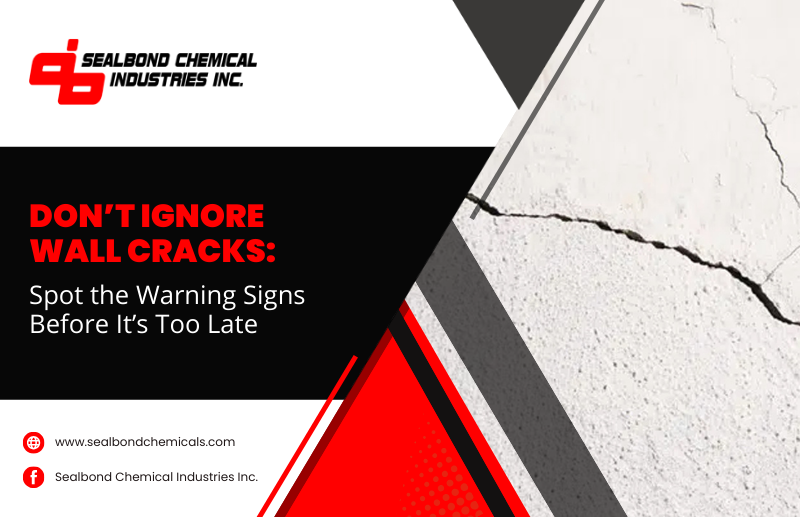
Tiny hairline cracks in the paint resulting from minor settling or changes in humidity are to be expected. Nevertheless, if wall cracks become larger, deeper, or more patterned, then it can indicate the housing unit that you are living in has a problem with water...

by F. S. (Sealbond Material Specifier) | Jan 2, 2026 | Event
Polished concrete floors are becoming a leading option for warehouses, commercial spaces, and contemporary homes, and they offer many advantages. Apart from that, these floors look very attractive; they also help improve lighting and reduce electricity usage. ...

by F. S. (Sealbond Material Specifier) | Jan 2, 2026 | Event
Without a doubt, an excellent epoxy primer is the foundation of every durable flooring system. Understanding how primers work will enable you to work failure-free, achieve better adhesion, and ensure higher performance over time. If you are looking to install...
by F. S. (Sealbond Material Specifier) | Nov 29, 2025 | Event
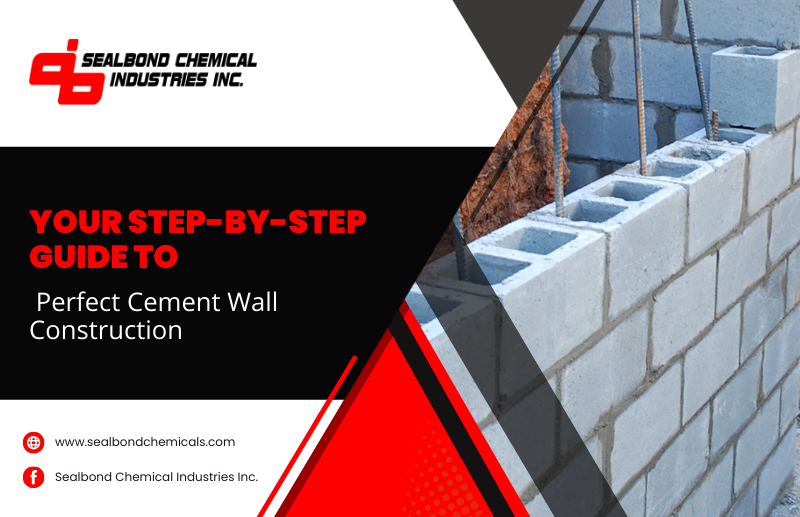
The basic ingredients for cement walls are cement, sand, gravel, and water. Put together, they form concrete, a robust and very stable material that is hard and resembles stone. This article will help you with all the info you need, from the material to the...
by F. S. (Sealbond Material Specifier) | Nov 29, 2025 | Event
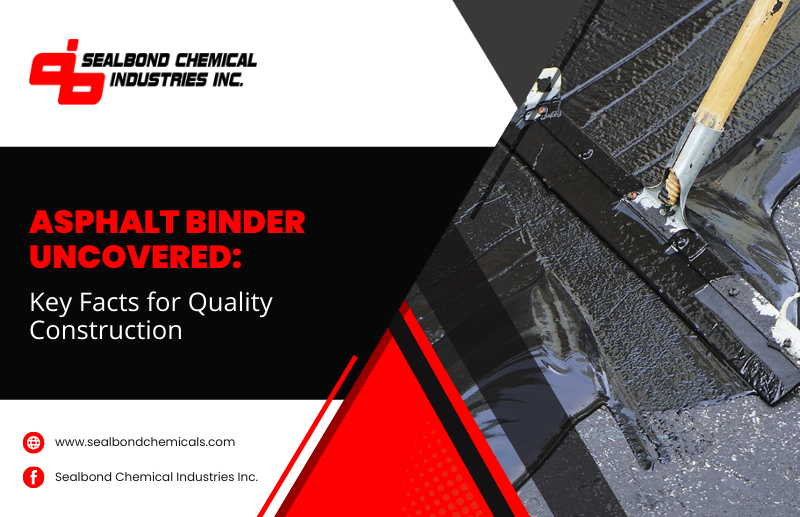
Asphalt binder or bitumen is a hard, black, very sticky, and highly viscous material obtained from petroleum. It serves as the “glue” that binds aggregates such as sand, gravel, and crushed stone in asphalt concrete. Here, you will know the things that make up...

 know more about our construction chemical products.
view our company profile