
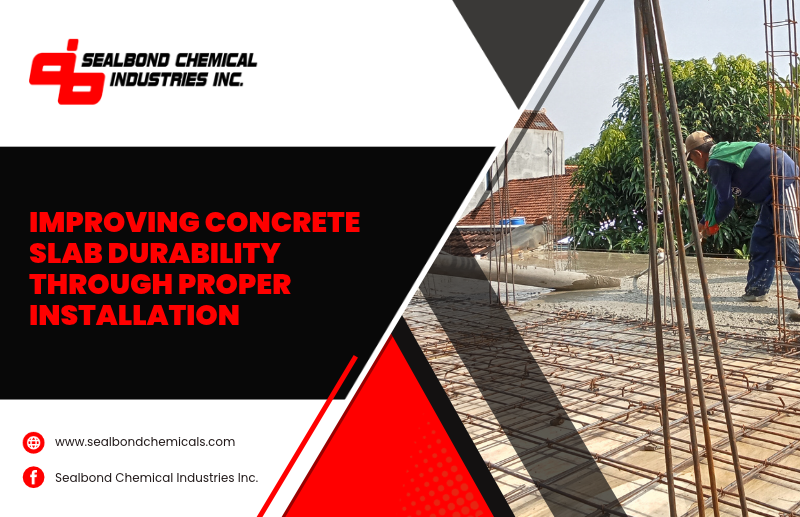
Concrete Slab Installation From Ground Preparation to Final Finishing
A strong concrete slab starts with the ground, well before you mix any concrete. Careful ground preparation, precise leveling, placement, and finishing are integral to the finished product and can prevent issues that cost more in repairs later. Learning each step can help you minimize problems.
Ground Preparation for Concrete
Preparing the ground is the first step to slabbing. Clear the land of anything that could cause it to settle, like trees, brush, rubbish, and loose material. Regrading and compacting the ground will prevent settlement and a bumpy surface.
The teams working on the project may lay a gravel or crushed-stone base to reinforce the site and improve drainage. Conduct a soil inspection and observe where water pools mainly when there’s a lot of rain.
Essential Concrete Work Before Pouring
Formwork determines the slab’s size, shape, and height. Build the forms out of strong materials and attach them well to hold them in place when the concrete is poured. Check the dimensions, straightness, and thickness of the slab before pouring.
You may also need to include reinforcement, such as steel bars or welded wire mesh, depending on how the slab is used and what it needs to do structurally.
Mixing and Pouring Concrete for a Strong Slab
How well you mix the concrete affects the strength and longevity of the slab. Select an appropriate mix design given the loads, conditions, and build requirements. Overly watery mix designs are easier to work with but can cause a decrease in strength and cracking.
Place the mixture into the forms equally and spread it out across the formwork. The contractor may need to tamp the material down to squeeze out the bubbles, then screed the surface until it is level.
Concrete Polishing and Final Surface Finishing
Concrete polishing mechanically grinds and polishes a concrete surface to a high level of smoothness. The finish can range from a semi-reflective matte appearance to a highly polished, reflective shine, depending on the desired maintenance, aesthetics, and slip resistance for the space.
Moisture protection is also key, especially for slabs that come into contact with groundwater, rain, and high moisture levels. The right waterproofing materials and products can reduce water ingress when chosen for the substrate, exposure, and project. For concrete protection and repair, construction chemical solutions from Sealbond can assist owners in selecting the most appropriate products.
FAQs
How long does a concrete slab take to cure?
The concrete may require 28 days of conventional curing time to cure to the specified design strength. This is subject to mix, temperature, and project requirements.
What causes cracks in a concrete slab?
The original surface can crack from settlement, water overspray, fast drying, temperature changes, and improper jointing. You can avoid or minimize some or all of these issues with proper preparation, reinforcement, and curing.
Can you pour concrete directly onto soil?
Yes, it is okay if the soil is stable, well-drained, and appropriate for your project. If it is suitable for the conditions and for the finishing slab, you may also require a moisture barrier or base that is a compacted granular base.
Build a Stronger Concrete Slab With Sealbond
From the sub-base to the finished surface, a successful installation is the key, so making the effort to prepare the ground and foresee problems at an early stage can stop defects from occurring and save money in the future. Select the right construction materials and products for your project performance needs. Discover Sealbond’s services and construction chemicals for concrete protection, repair, and long-term performance products.