
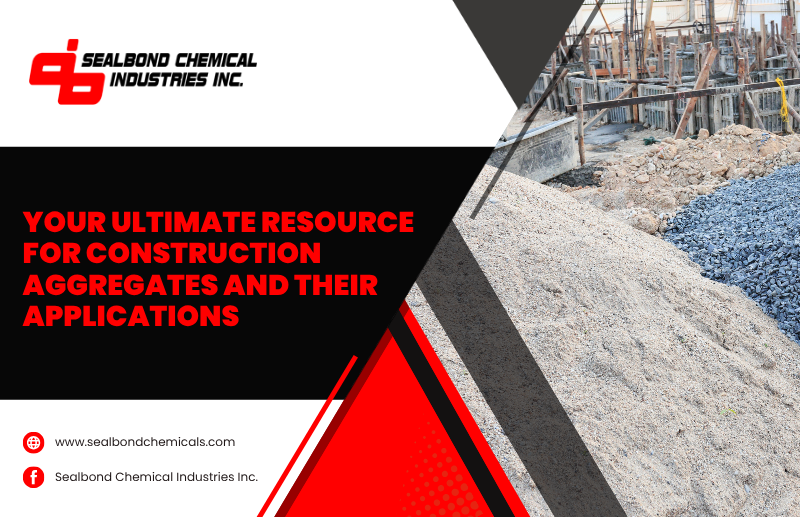
What Are Construction Aggregates?
Construction aggregates are particles used in building, either directly or mixed with other materials such as cement, asphalt, and water.
The use of poor-quality aggregates is the most common cause of premature construction failures and structural problems, even with very good design.
This detailed guide will help you understand construction aggregates, their main types, typical uses, their most important benefits, and the criteria for selecting the most suitable aggregates for your work.
Importance of Aggregates in Construction
In most construction projects, aggregates make up 60% to 80% of the total volume of concrete. Because of this, comparatively, these materials matter a lot in construction work.
Provide Strength and Stability
Aggregates enable concrete and other construction materials to bear heavy loads, thereby increasing the strength and stability of buildings, roads, and other infrastructure.
Increase Durability and Performance
Good quality aggregates help sidewalks and other infrastructure resist cracking, specifically floor crack, and environmental damage. They also extend the lifespan of structures, which means less need for repair and maintenance over time.
Improve Cost Efficiency and Sustainability
By using aggregates, the construction process uses less cement. But recycled aggregates help minimize waste disposal and save natural resources.
Main Types of Construction Aggregates
Knowing about different types of aggregates can help you decide on the most suitable material for each specific use.
Sand
Sand is among the most common types of fine aggregates utilized in construction projects. It is formed from small pieces of rock smaller than gravel. Sand is often used in concrete mixes, masonry work, plastering, and paving.
There are several varieties of sand, such as:
- River sand
- Manufactured sand (M-sand)
- Washed sand
- Fill sand
Every sort has distinct features fitting particular construction needs.
Gravel
Gravel means coarse aggregate made up of big pieces of rock. Its use is prevalent in making concrete, highway constructions, constructing drainage systems, and strengthening foundations.
Gravel offers firm, stable support, making it a crucial component for both residential and commercial establishments.
Crushed Stone
Crushed stone is made by breaking bigger rocks into smaller pieces using machines. It has sharp edges, unlike the smooth and round gravel, which helps in better bonding and interlocking.
Some of the uses of crushed stone are:
- Concrete making
- Base layer of roads
- Driveways
- Retaining walls
- Structural fills
Due to its durability and solidity, it is the material of choice in many engineering projects.
Recycled Aggregates
With a growing emphasis on eco-friendliness, recycled aggregates are becoming more and more common. This type of material starts from old concrete, asphalt, and other construction debris.
If they are processed well, recycled aggregates can be just as good as regular ones while reducing landfill waste and conserving natural resources. Many eco-friendly building projects today use recycled aggregates as part of their sustainable construction methods.
Slag Aggregates
Slag aggregates are the remnants of industrial manufacturing processes, mainly steel-making. These aggregates have great strength and durability, and that’s why they are widely used in road pavements and concrete of heavy-duty nature.
It is their capability to bear heavy weights that makes them indispensable for the most demanding infrastructure projects.
Classification Based on Size
Generally, two main categories of aggregates, which vary in size, are distinguished.
Fine Aggregates
The fine aggregates are those with particle sizes less than 4.75 millimeters.
The examples are:
- Natural sand
- Manufactured sand
- Stone dust
Fine aggregates contribute to finding the empty spaces between the larger ones, which results in a compact and pliable mix.
Coarse Aggregates
They contain particles of size bigger than 4.75 mm.
Some examples are:
- Gravel
- Crushed stone
- Recycled concrete fragments
They are the source of volume, strength, and basic structure in concrete and other forms of construction material.
Some Typical Uses of Construction Aggregates
Based on the nature of the construction project, aggregates have different purposes.
Making Concrete
Concrete production is by far the largest consumer of aggregates worldwide. Aggregates form the backbone of concrete, providing load-bearing capacity, strength, and shape retention.
The physical properties, particle size distribution, and degree of impurities of aggregates are the main parameters influencing concrete behavior.
Recently, the use of additional materials has been on the rise for the production of concrete, e.g., concrete binder to increase the bond between the components and to improve the desired characteristics of the final product.
Road Construction
Roads are made up of several layers of aggregate materials.
Aggregates are employed in:
- Different layers of sub-base
- Main base courses
- Asphalt mixes
- Surface layers
Due to their load-bearing capacity and water drainage features, aggregates are crucial for making roads resistant to wear and tear over time.
Foundations
Comprehensive foundation development involves the use of compacted aggregate layers. Aggregates provide firm bases for buildings, distributing loads onto the ground evenly and quite a bit minimizing settlement problems.
Also, by improving the drainage around the foundation areas, they help in safeguarding the structures from damage caused by moisture.
Drainage Systems
Handling of water is a very important factor in construction. Aggregates play a great role in improving and facilitating drainage systems around various constructions like buildings, roads, retaining walls, and landscaping features.
Due to their porosity, aggregates allow the movement of water while helping to prevent soil erosion.
Railway Ballast
Coarse aggregates are a necessity for railway systems to support the tracks and spread the loads.
Ballast materials help keep the tracks aligned with each other, allow for drainage, and control vibrations.
Landscaping and Outdoor Projects
Aggregates are widely used for landscaping purposes. Not only are they versatile, but their visual appearance also makes them perfect even for high-end residential and commercial landscaping projects.
Factors to Consider When Choosing Aggregates
Aggregates are not the same everywhere and can vary greatly. You have to look into a few very significant areas:
Material Quality
The purity of the aggregates that come from reputable sources is high. Your best quality aggregates, such as the materials from Sealbond, are going to be those that are soft yet very resistant to wear and tear, contain no harmful substances, like clay or organic matter, and have low moisture content.
Size and Gradation
The size of the aggregate plays a part in how easy it is to work with, its strength, how well it can be compacted, and how well it drains.
A well-planned grading scheme leads to excellent performance and keeps the number of voids within the material at a minimum.
Strength Requirements
Various types of work demand different strength levels. Typically, massive infrastructure projects require much more robust aggregates than those used in decorative landscaping.
Environmental Conditions
The natural environment, like climate, moisture exposure, and loading conditions, determines the choice of aggregates. Make sure you pick materials that can withstand local environmental conditions for better durability over time.
Compliance with Standards
Quality aggregates should always be in line with the industry specifications and standards. Buying certified materials is a great way to guarantee performance and meet compliance with regulations.
Common Mistakes to Avoid When Using Aggregates
Even top-notch aggregates will probably let you down if you use them incorrectly.
Using the Wrong Aggregate Size
If you incorrectly size aggregates (using too big or too small), you’ll end up impacting the strength, stability, and other overall properties of your project.
Using Contaminated Aggregates
If the materials have high levels of dust, clay, or organic materials, they will seriously weaken the concrete, and its durability will be lowered.
Poor Compaction Practices
Not properly compacting your work will cause problems like sinking, unstable structures, and more, increasing the risk of the issues mentioned.
The Role of Aggregates in Modern Sustainable Construction
Today, the construction industry is being heavily influenced by the concept of sustainability.
Not only are aggregates key in lowering environmental footprints through the adoption of responsible sourcing and recycling measures. For example, recycling companies are making recycled aggregate mixes from buildings that are being taken down, which helps to keep waste out of landfills.
Further, the use of good-quality aggregate materials in infrastructure leads to less frequent repairs and reconstruction as the initial work lasts longer.
This is also combined with technology and protective systems like waterproofing materials, which help build structures that are both resilient and sustainable.
FAQs
What is the meaning of construction aggregates?
Construction aggregates are granular materials such as sand, gravel, crushed stone, and similar materials commonly used in mixing concrete, making road surfaces, constructing foundations, and various other building and construction purposes.
What role do aggregates play in concrete?
Aggregates are the chief source of the strength, stability, and durability of concrete, and they also provide proper volume. Without them, the concrete mixture cannot achieve satisfactory performance.
Is it possible to use recycled aggregates for construction?
Yes. If recycled aggregates are well processed, they are used in various construction works, such as road sub-bases, backfilling materials, and even some concrete works. Besides being environmentally friendly, the reuse of construction waste also lessens the burden on natural resources.
Start Your Building Project with A Solid Foundation
Aggregates are critical building materials that not only add strength and stability but also provide drainage and cost-effectiveness across various applications. Knowing different types of aggregates, their uses, and benefits will help you make the right decisions for your construction project and provide better performance over time.
Whether it’s a residential, commercial road, or an infrastructure project, making quality material choices is a must. For trustworthy construction solutions that offer you strong and lasting performance, come to Sealbond products and buy materials that will keep your structures functioning well for a long time.